
Description
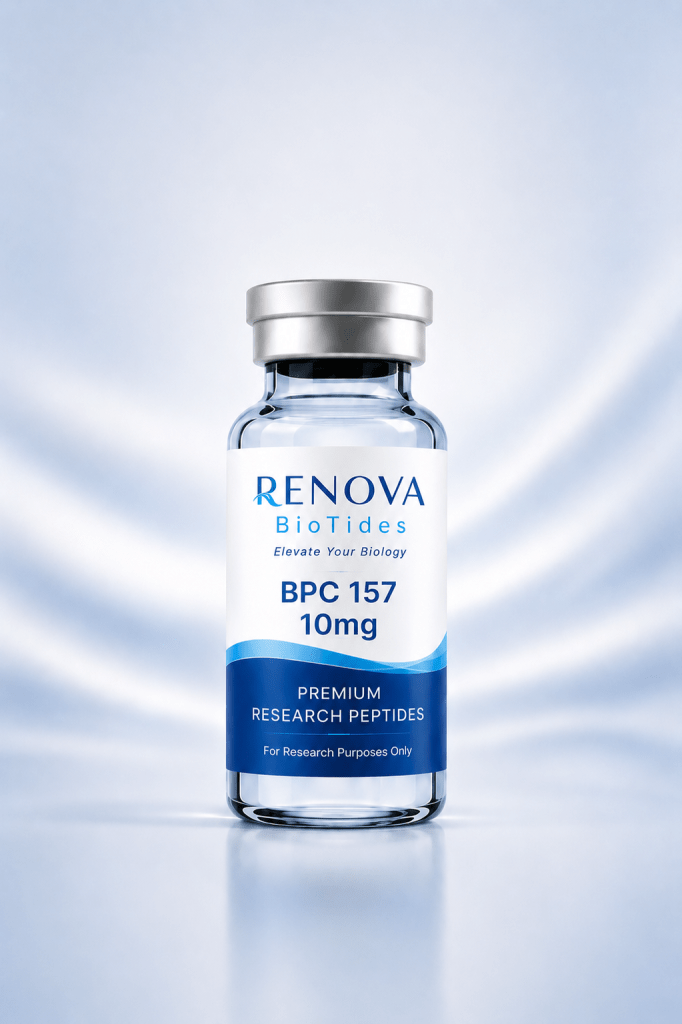
BPC-157 and TB-500 (known also as “Wolverine”) are investigational peptides frequently studied in connection with cellular repair, tissue remodeling and recovery-related biological pathways. BPC-157 is a 15-amino-acid peptide derived from a sequence associated with a gastric protein. TB-500 is a peptide associated with research involving thymosin beta-4-related activity. Because the two compounds are studied through different but potentially complementary mechanisms, researchers may evaluate them together in laboratory models involving tissue response and regeneration.
Laboratory and preclinical research has examined these peptides in connection with:
- Tendon, ligament and muscle-repair pathways
- Fibroblast migration and activity
- Collagen production, organization and deposition
- Angiogenesis and blood-vessel-development mechanisms
- Cellular migration and tissue remodeling
- Wound-healing and re-epithelialization models
- Inflammatory-response signaling
- Nitric oxide and vascular-response pathways
- Cytoskeletal organization and actin-related activity
- Gastrointestinal-tissue integrity models
- Recovery following experimentally induced tissue injury
- Bone, connective-tissue and soft-tissue research
- Cellular survival and protection under stress conditions